The words "you need a knee replacement" do not always mean surgery has to happen right now, or even soon. For many people living with knee arthritis, that conversation marks the beginning of a longer process of weighing options, trying conservative treatments, and deciding when, or whether, surgery actually becomes the right next step. The answer depends heavily on how much damage is present, how much it is affecting daily life, and which non-surgical options have actually been tried.
Conservative Care Is Not Just Delaying the Inevitable
There is a meaningful difference between avoiding surgery indefinitely and managing symptoms well enough that surgery is not currently necessary. For mild to moderate knee arthritis, a structured approach to conservative treatment can preserve function and reduce pain for months or years without requiring a procedure. The goal is not to pretend the joint damage is not there. It is to manage its effects well enough that daily life remains tolerable and active.
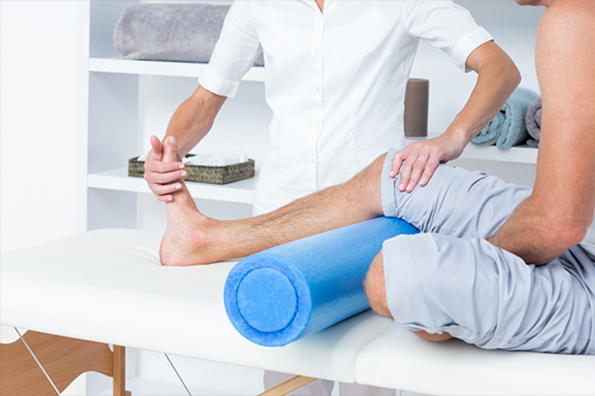
Physical Therapy and Weight Management Do Really Work
Strengthening the muscles around the knee, particularly the quadriceps and hip abductors, reduces the load passing through the joint with every step. This is not a minor effect. Meaningful weight loss in overweight patients has been shown to substantially reduce knee pain and delay the progression of arthritis, since each pound of body weight translates to several pounds of force across the knee during walking. Physical therapy that combines strengthening with movement and gait correction addresses both the symptoms and the mechanical contributors to them, often producing results that injections alone cannot match.
When Injections Become Part of the Conversation
For patients whose pain is not adequately controlled through activity modification and physical therapy, intra-articular injections offer a targeted way to reduce inflammation and support the joint from within. Corticosteroid injections remain a reliable short-term option for flare-ups, though their effects tend to diminish with repeated use over time and they have potential side effects. Hyaluronic acid, which supplements the natural lubricating properties of joint fluid, has shown modest benefit in some patients, particularly those with milder disease.
What PRP Adds to the Conservative Toolkit
Platelet-rich plasma has become one of the more discussed options in knee arthritis management, and the evidence supporting it has grown substantially. A 2025 comprehensive narrative review synthesizing 40 high-quality studies including randomized controlled trials, systematic reviews, and meta-analyses found that PRP injections demonstrate superior pain relief and functional improvement compared to both hyaluronic acid and corticosteroids, particularly in patients with mild to moderate arthritis. A separate 2025 systematic review and meta-analysis of six high-quality randomized controlled trials involving over 1,100 patients reached similar conclusions, finding consistent improvements in pain scores and function measures. The mechanism is different from a cortisone shot or viscosupplementation.1 PRP concentrates growth factors from a patient's own blood that appear to support an anti-inflammatory environment within the joint and may help slow the structural changes associated with cartilage breakdown. Although PRP is not FDA approved for knee arthritis, the current body of evidence supports PRP as a legitimate option between basic conservative care and surgery, with outcomes that vary by patient and disease severity rather than a one-size-fits-all result.
When Surgery Becomes the Right Answer
None of these options change the underlying structure of a damaged knee, and at a certain point of disease progression, conservative treatment becomes less able to keep pace with symptoms. When pain is severe enough to disrupt sleep, limit basic daily activities, and fails to respond to a genuine trial of non-surgical care including physical therapy, weight management, and targeted injections, that is when the balance shifts toward surgery. Robotic-assisted knee replacement and outpatient options have meaningfully improved what recovery from that surgery actually looks like for appropriate candidates, which changes how patients should think about reaching that point.
Knowing Where You Stand Changes the Decision
The most useful thing a comprehensive evaluation provides is clarity, not just about whether surgery is needed, but about exactly which conservative options have not yet been tried, and what realistic expectations look like for each one. That kind of honest, sequential approach is what separates a careful orthopedic workup from one that rushes toward a procedure.
If knee pain has been limiting your daily life and you want to understand which conservative options fit your specific stage of arthritis before considering surgery, an evaluation is the most direct way to find out where you actually stand.
Frequently Asked Questions
- Can knee arthritis be treated without surgery?
Yes, for many patients with mild to moderate knee arthritis. Physical therapy, weight management, and targeted injections including PRP can meaningfully reduce pain and improve function without requiring surgery. - Is PRP better than cortisone for knee osteoarthritis?
Recent systematic reviews have found that PRP provides superior pain relief and functional improvement compared to corticosteroids, particularly in patients with mild to moderate knee arthritis, though results vary depending on the patient and disease severity. - How long can you delay knee replacement with conservative treatment?
There is no fixed answer, since it depends on disease severity, individual response to treatment, and how much symptoms affect daily life, which is why an individualized evaluation matters more than a general timeline. - What is the difference between PRP and hyaluronic acid injections for the knee?
Hyaluronic acid supplements the joint's natural lubrication, while PRP uses concentrated growth factors from a patient's own blood to support an anti-inflammatory environment in the joint. Current evidence generally favors PRP for pain and function outcomes in knee osteoarthritis. - How do I know when it is time to consider knee replacement surgery?
Surgery tends to become appropriate when knee pain is severe enough to disrupt sleep and basic daily activities, and when a structured trial of conservative treatment including physical therapy and injections has not provided adequate relief.
Reference Links:
AUTHOR: Eddie El-Yussif, DO, FAAOS – Board-Certified Orthopedic Surgeon
Eddie El-Yussif, DO, FAAOS is a board-certified orthopedic surgeon specializing in knee arthroplasty, including minimally invasive total knee replacement, partial knee replacement, and complex revision knee surgery. He has proudly served the Metropolitan Detroit community since 2009 and is committed to delivering patient-centered orthopedic care focused on restoring mobility and improving quality of life.
Credentials & Recognition
Dr. El-Yussif graduated with honors from the University of Virginia and earned his medical degree from Kansas City University of Medicine and Biosciences. He completed his Orthopaedic Surgery residency at Garden City Osteopathic Hospital in Garden City, Michigan, an affiliate of Michigan State University, where he served as Chief Resident and was actively involved in resident education. He received top national recognition for his research paper, Distal Femur Fractures in Osteopenic Patients: Plates vs. Nails.
Following residency, Dr. El-Yussif completed a prestigious knee arthroplasty fellowship at the Anderson Orthopaedic Research Institute in Alexandria, Virginia, where he trained alongside pioneers in joint replacement surgery. He holds the FAAOS distinction as a Fellow of the American Academy of Orthopaedic Surgeons, recognizing his expertise, commitment to patient care, and dedication to ongoing professional development. He also serves as a Clinical Instructor at Michigan State University School of Medicine.
Clinical Expertise
Dr. El-Yussif specializes in knee replacement, including advanced knee replacement techniques, minimally invasive total knee replacement, and partial knee arthroplasty. His approach emphasizes surgical precision, evidence-based treatment strategies, and comprehensive postoperative care to help patients return to active lifestyles as safely and efficiently as possible.
Medical Disclaimer: This information is for educational purposes only and does not constitute medical advice. For diagnosis and treatment recommendations, please consult with Dr. El-Yussif or another qualified orthopedic specialist.
Content authored by Dr. Eddie El-Yussif and verified against official sources.