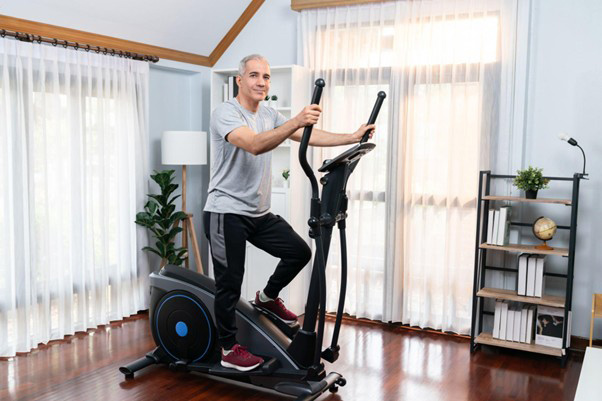
The image of a knee replacement patient as a sedentary person is rapidly fading into the past. Today, a growing number of patients in their 40s and 50s are choosing surgery to reclaim their active lifestyles from the grip of early-onset arthritis. Let’s look at the key reasons why younger adults with knee problems choose total knee arthroplasty.
Longevity of Modern Knee Implant Materials
One of the primary reasons young adults are saying "yes" is the massive leap in implant technology. High-cross-linked polyethylene (advanced plastic) has significantly reduced the "wear rate" of knee replacements. Implants now rarely fail from worn out plastic. We now have clinical data suggesting these components can last 20 to 25 years or more. For a 50-year-old, this longevity makes the prospect of a single surgery, and perhaps only one revision much later in life, a mathematically sound and life-changing investment.
Robotic Precision and Personalized Fit
The integration of robotic-assisted platforms is helpful for patients who have hardware around their knee from prior fracture fixation or ACL surgery. Robotic technology allows us to align the implant with sub-millimeter precision, tailored to the patient’s unique ligament tension. This results in a knee that feels "natural" and decreases the risk of outliers. However, for standard knee arthritis, conventional instruments do very well for alignment of the implants.
Rapid Recovery and Outpatient Options
Advanced surgical techniques and technology have turned knee replacement into an outpatient reality. Most younger patients are healthy enough to recover in the comfort of their own homes, often walking just hours after the procedure. This minimized downtime is highly attractive to working professionals and parents who cannot afford a month-long disappearance from their daily responsibilities.
Ultimately, the decision to undergo a knee replacement at a younger age is about prioritizing the quality of life today over years of avoidable pain and physical decline. By utilizing the latest in durable materials and robotic guidance, we can help you move comfortably and live more actively again.
Frequently Asked Questions
Am I too young for a knee replacement?
Age alone is no longer the deciding factor. The primary consideration is how significantly arthritis affects your quality of life. Many patients in their 40s and 50s choose surgery when conservative treatments no longer allow them to stay active or work comfortably.
How long do modern knee replacements last?
With advances in implant materials and surgical precision, many modern knee replacements can last 20 to 25 years or longer. Longevity depends on factors such as activity level, body weight, alignment, and overall health.
Will I need another surgery later in life?
Younger patients have a higher lifetime chance of requiring a revision procedure simply due to age. However, improved implant durability and alignment techniques have reduced wear rates and improved long-term outcomes.
Can I return to sports after knee replacement?
Most patients can return to low-impact activities such as cycling, hiking, swimming, golf, and doubles tennis. High-impact sports like running or competitive basketball are generally discouraged to maximize implant longevity.
What is robotic-assisted knee replacement?
Robotic-assisted systems such as the Mako Robotic-Arm Assisted Surgery System help surgeons plan and execute implant positioning with high precision. The technology enhances accuracy, but the surgeon remains in full control of the procedure.
Is knee replacement really outpatient now?
For many healthy younger patients, yes. Advances in anesthesia, minimally invasive techniques, and multimodal pain control allow most patients to walk the same day and recover at home.
How do I know when it is time to consider surgery?
If knee pain limits your ability to work, exercise, sleep comfortably, or enjoy daily activities, despite physical therapy, injections, and medications, it may be time for a surgical consultation.
Hear From Our Patients
Choosing the right orthopedic care is a personal decision, and hearing from others who have been in your position can provide clarity and reassurance. Many of our younger knee replacement patients share that they initially hesitated, wondering if they were “too young” for surgery. After moving forward with a personalized, technology-driven approach, they often describe renewed confidence, improved mobility, and the ability to return to the active lifestyles they value.
Patients frequently tell us that the combination of modern implant durability, precise surgical planning, and a streamlined recovery made the decision feel empowering rather than overwhelming. To better understand our approach to personalized, patient-centered orthopedic care, explore some of our patient testimonials.
Reference Links:
- Total knee arthroplasty in young patients: Factors predictive of aseptic failure in the 2nd–4th decade - PubMed Central
- Outlook for Joint Replacements - Arthritis Foundation
AUTHOR: Eddie El-Yussif, DO, FAAOS – Board-Certified Orthopedic Surgeon
Eddie El-Yussif, DO, FAAOS is a board-certified orthopedic surgeon specializing in knee arthroplasty, including minimally invasive total knee replacement, partial knee replacement, and complex revision knee surgery. He has proudly served the Metropolitan Detroit community since 2009 and is committed to delivering patient-centered orthopedic care focused on restoring mobility and improving quality of life.
Credentials & Recognition
Dr. El-Yussif graduated with honors from the University of Virginia and earned his medical degree from Kansas City University of Medicine and Biosciences. He completed his Orthopaedic Surgery residency at Garden City Osteopathic Hospital in Garden City, Michigan, an affiliate of Michigan State University, where he served as Chief Resident and was actively involved in resident education. He received top national recognition for his research paper, Distal Femur Fractures in Osteopenic Patients: Plates vs. Nails.
Following residency, Dr. El-Yussif completed a prestigious knee arthroplasty fellowship at the Anderson Orthopaedic Research Institute in Alexandria, Virginia, where he trained alongside pioneers in joint replacement surgery. He holds the FAAOS distinction as a Fellow of the American Academy of Orthopaedic Surgeons, recognizing his expertise, commitment to patient care, and dedication to ongoing professional development. He also serves as a Clinical Instructor at Michigan State University School of Medicine.
Clinical Expertise
Dr. El-Yussif specializes in advanced knee replacement techniques, including minimally invasive total knee replacement, partial knee arthroplasty, and complex revision knee reconstruction. His approach emphasizes surgical precision, evidence-based treatment strategies, and comprehensive postoperative care to help patients return to active lifestyles as safely and efficiently as possible.
Medical Disclaimer: This information is for educational purposes only and does not constitute medical advice. For diagnosis and treatment recommendations, please consult with Dr. El-Yussif or another qualified orthopedic specialist.
Content authored by Dr. Eddie El-Yussif and verified against official sources.